
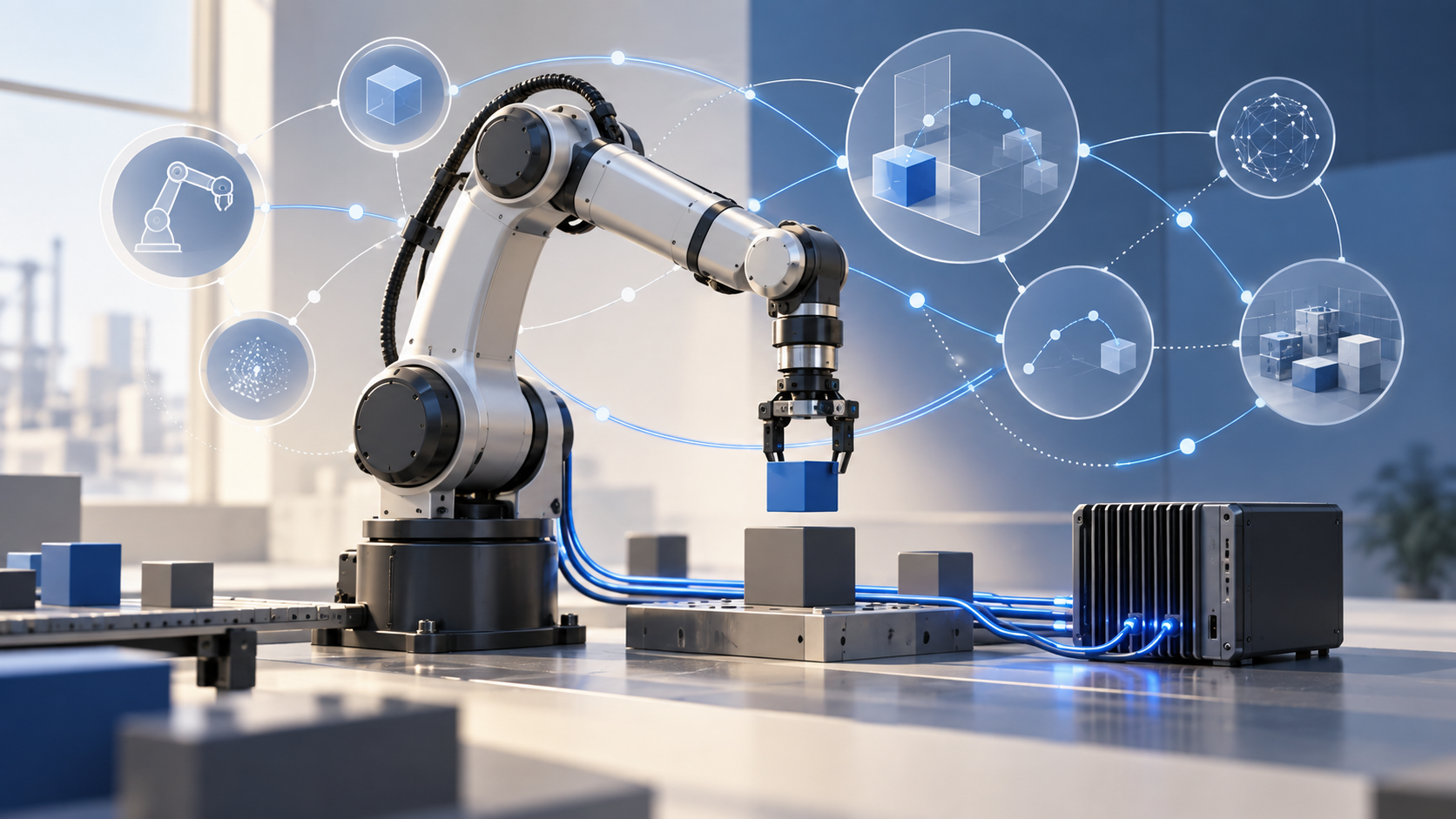
 AI-generated image
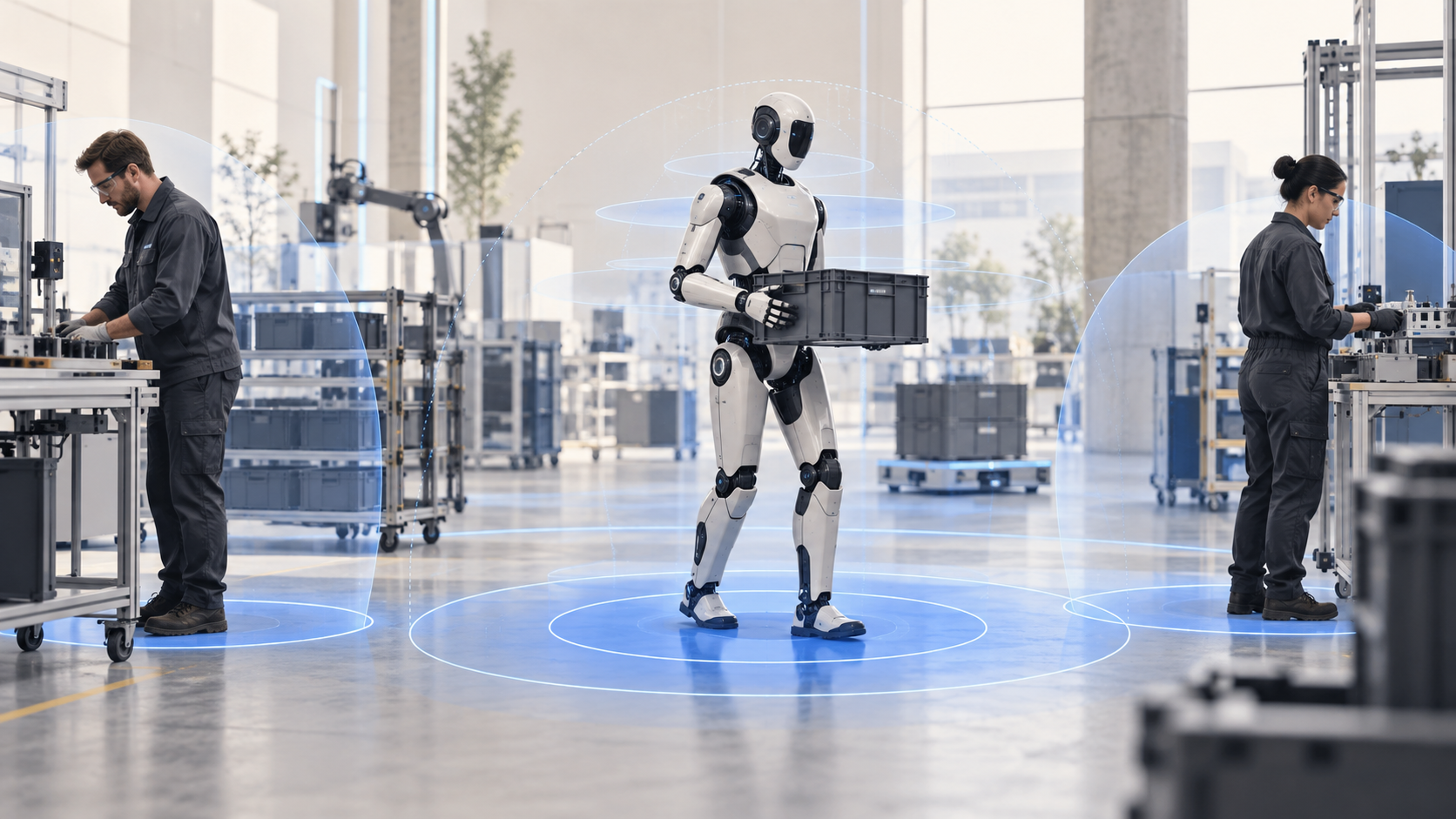 AI-generated image
Featured report
What Does “Cooperatively Safe” Mean for a Humanoid Robot?
A robot can be designed to work near people without being safe in every task. Understanding the difference requires separating product features, safety functions, application risk assessment and operational evidence.
Latest
Robots
View all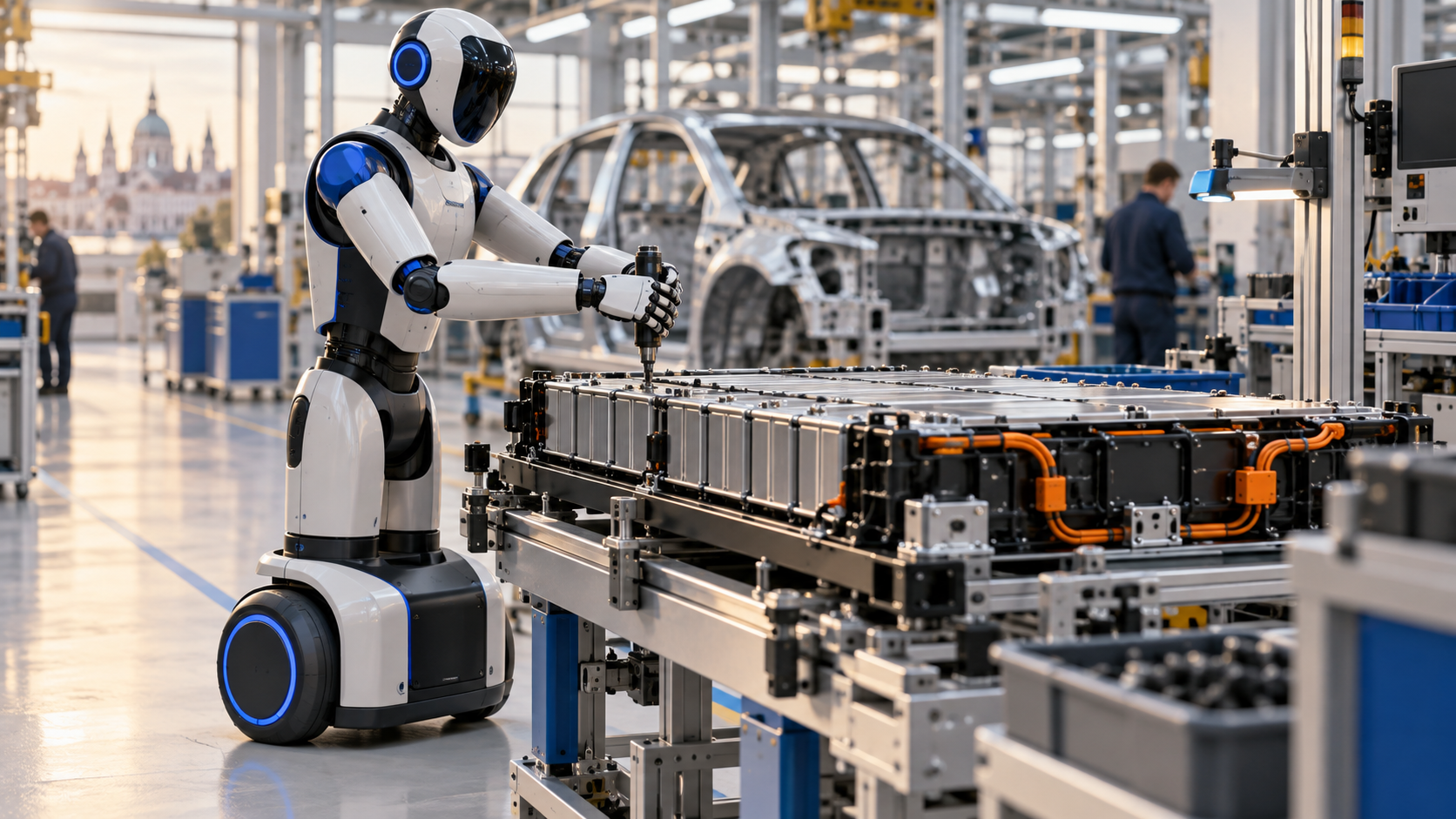 AI-generated image
Robot insight
AEON Enters BMW’s Leipzig Plant. The Pilot Is Real, but Its Production Results Are Not Yet Public
BMW has introduced Hexagon’s wheeled humanoid into production work in Leipzig after staged testing. The deployment is meaningful, but BMW has not disclosed the robot’s throughput, autonomy or intervention rate.
 AI-generated image
Robot insight
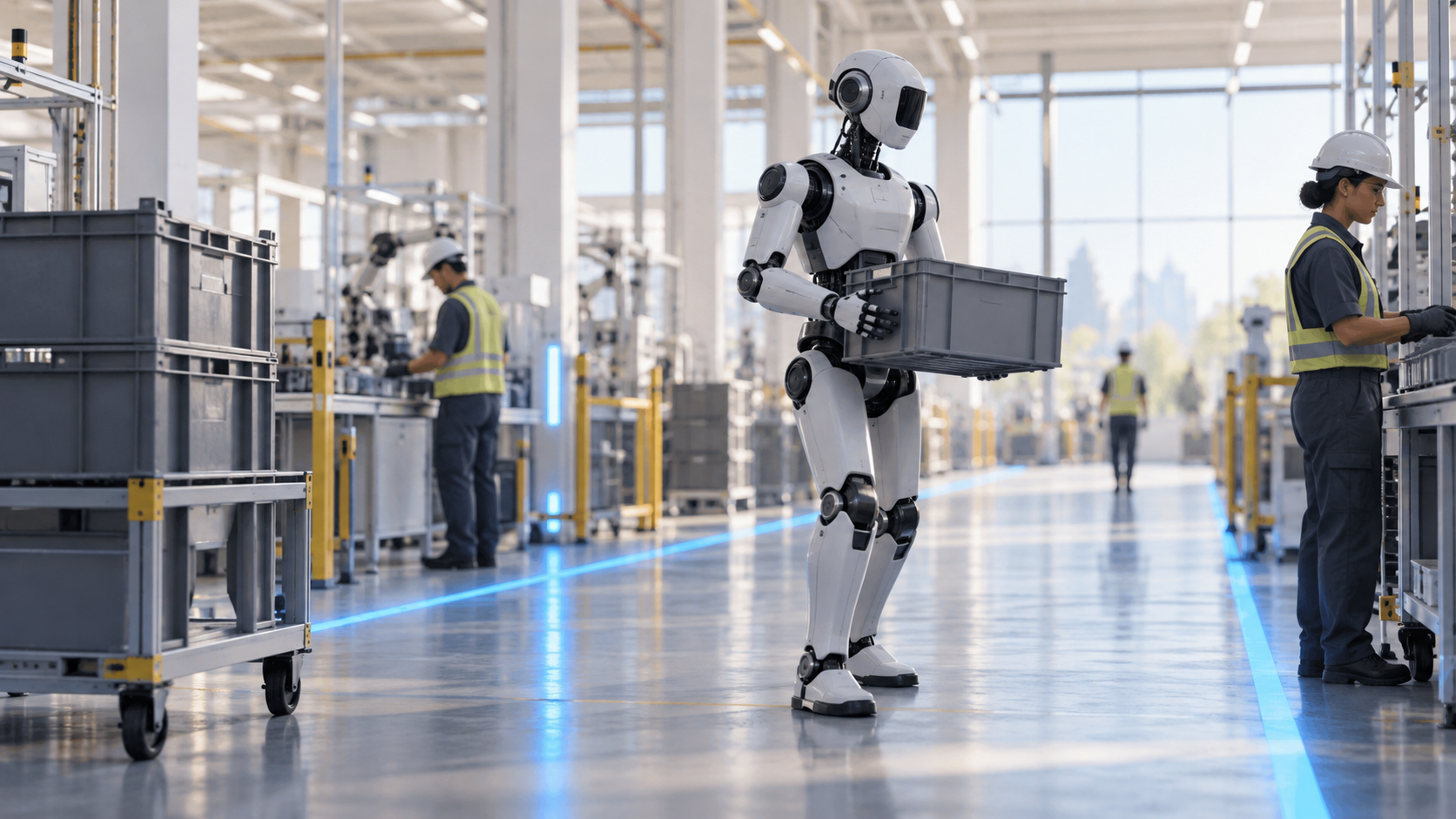
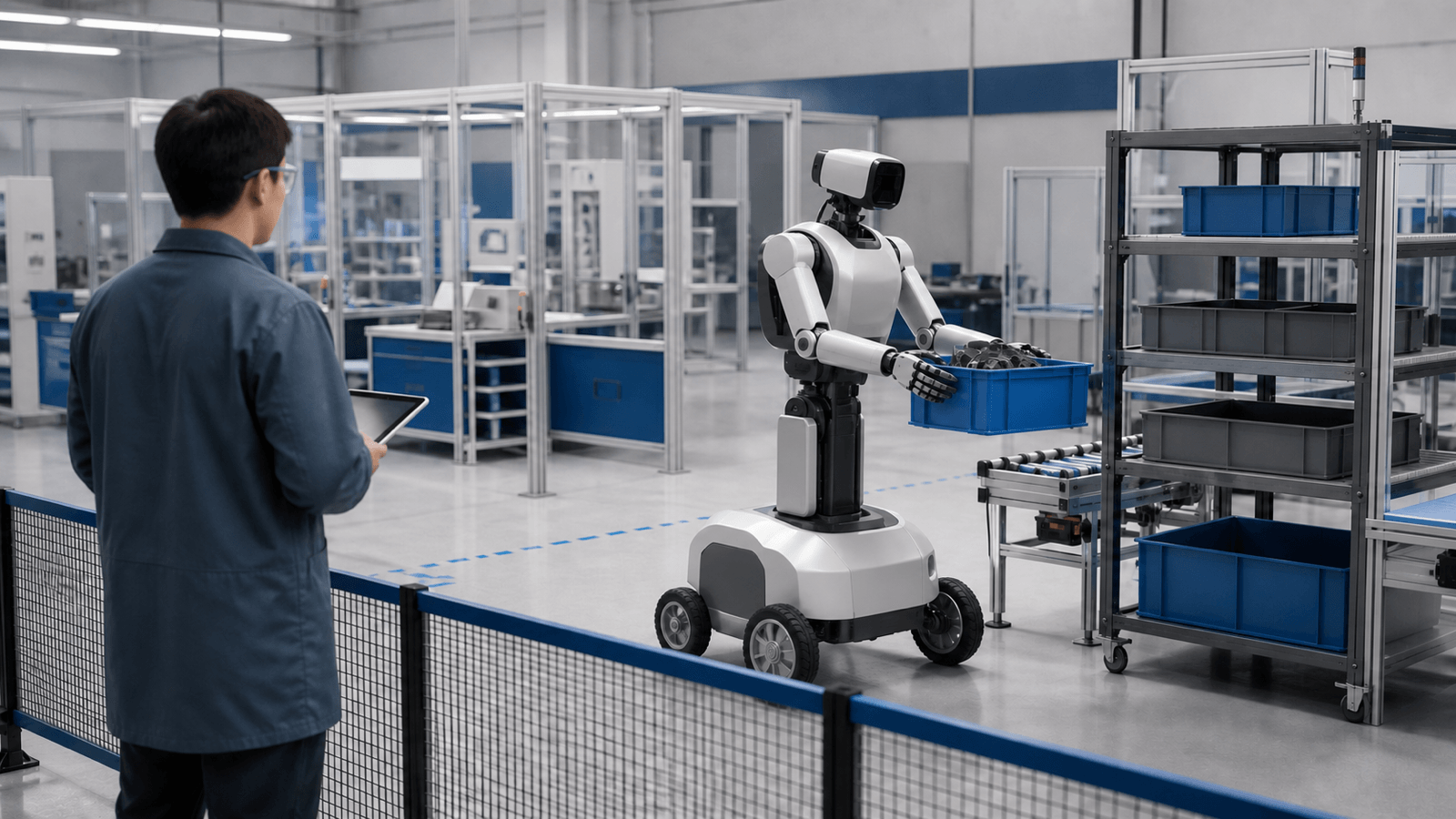
Digit 5 Is Built to Work Near People. The Safety and Order Claims Still Need Deployment Evidence
Agility Robotics has redesigned Digit around close human proximity and larger industrial workflows. The launch is substantial, but its strongest safety, demand and productivity claims remain partly prospective.
 AI-generated image
Robot insight
AEON Entered Schaeffler’s Humanoid Gym. The 1,000-Robot Plan Has Not Started Yet
Hexagon and Schaeffler have moved AEON into a dedicated factory-training environment, but the announced 1,000-unit rollout remains a seven-year plan without published validation results.
Technology
View all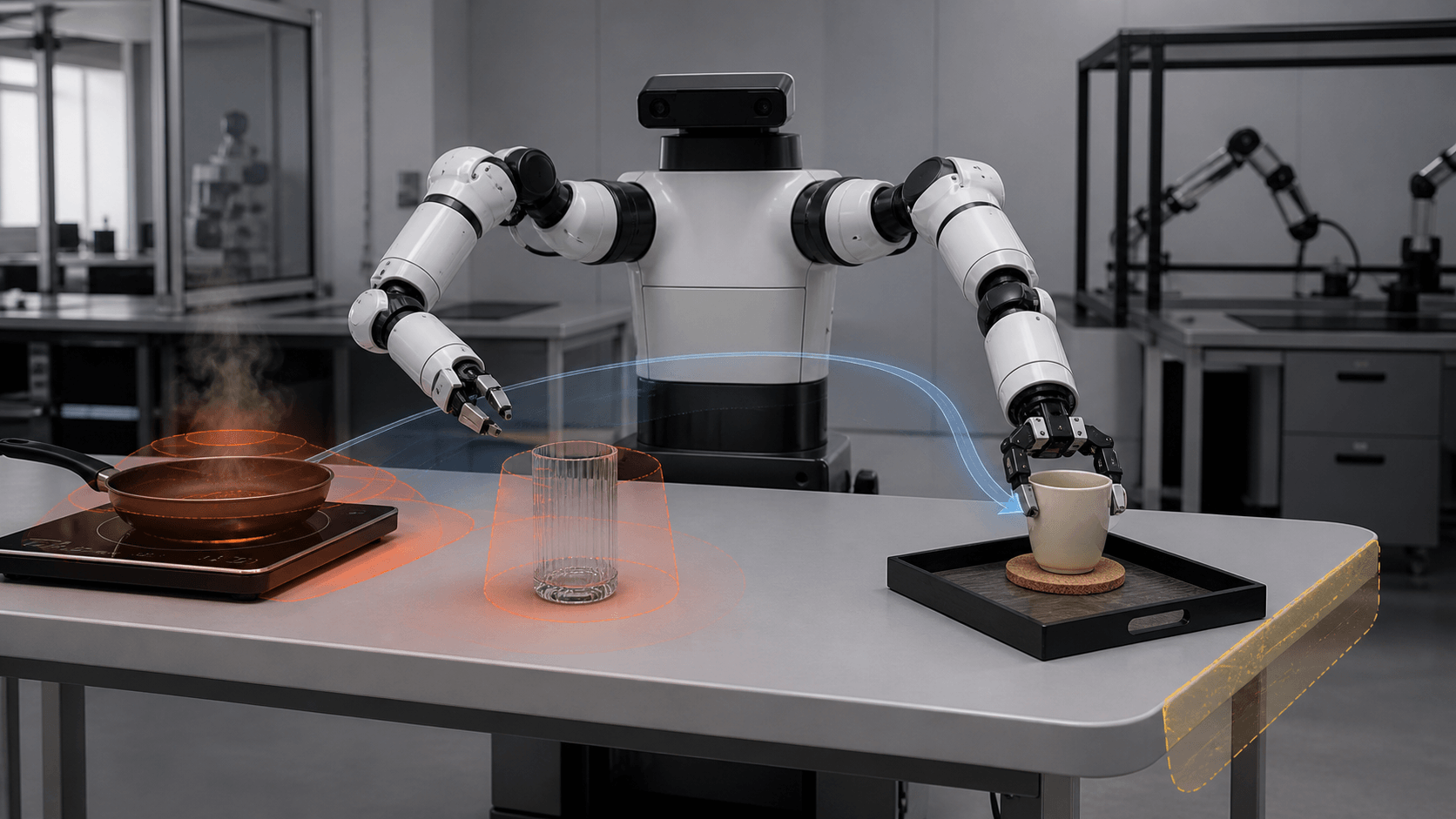 AI-generated image
Research brief
A Robot Can Finish the Task and Still Fail the Safety Test
ForesightSafety-VLA separates successful robot behavior from safe behavior, revealing hazardous trajectories that conventional completion scores can count as wins.
 AI-generated image
Research brief
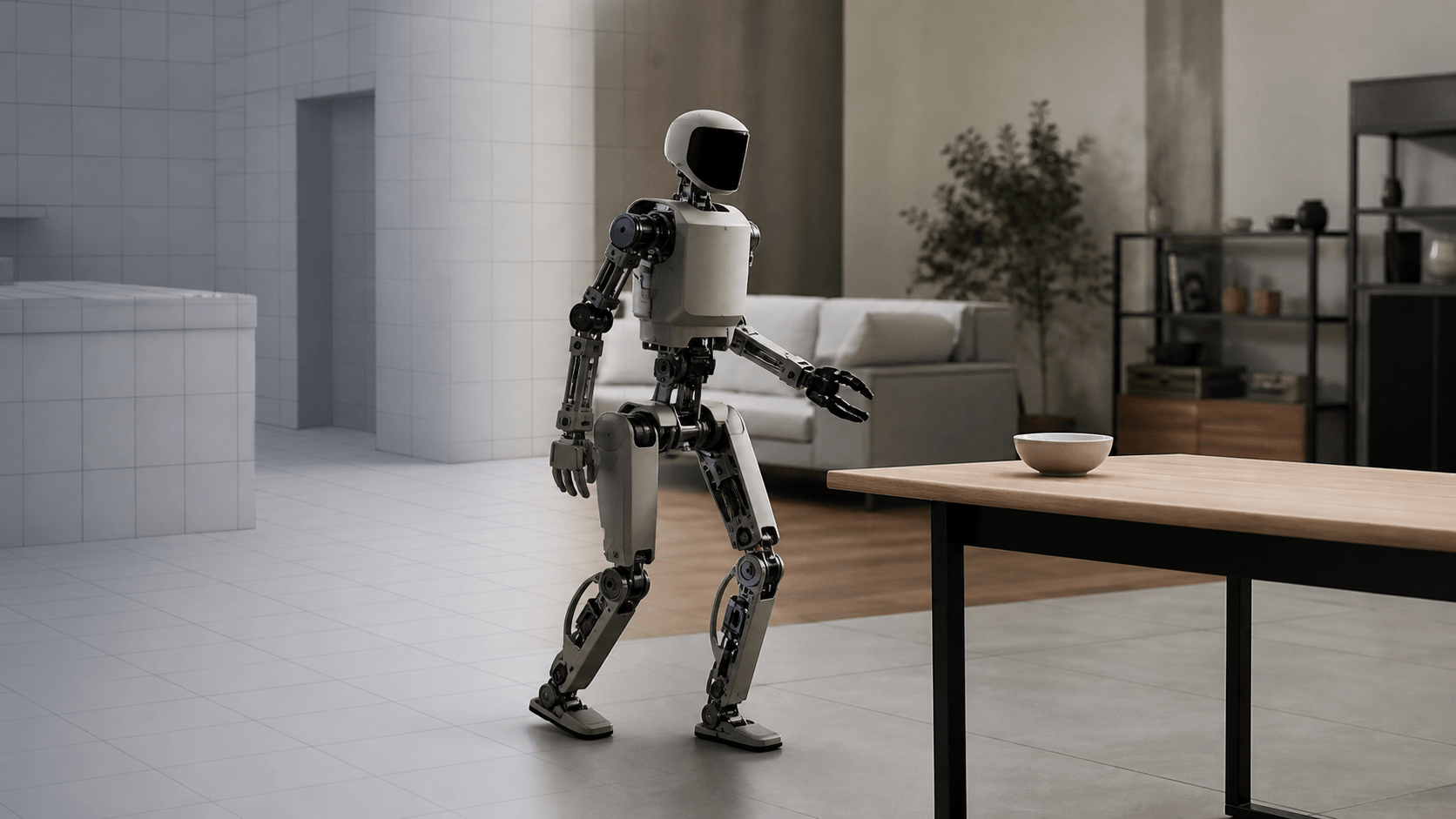
FetchMan Finds the Limit of Synthetic Imitation—and Uses Reinforcement Learning to Cross It
A humanoid policy trained across 150,000 simulated scenes reached a behavior-cloning ceiling. Reinforcement learning improved both simulated and zero-shot physical reach-and-pick performance.
 AI-generated image
Analysis
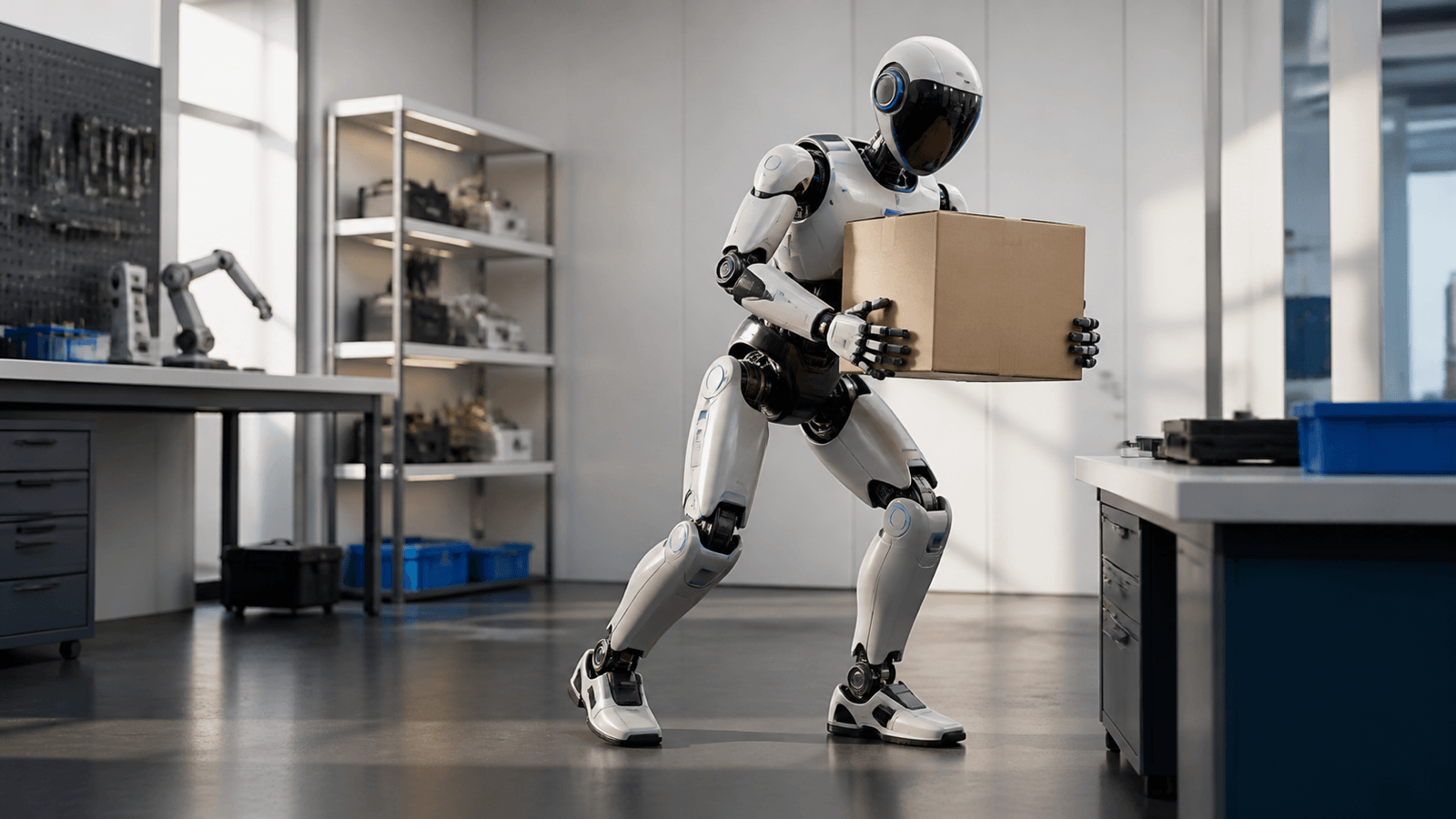
Humanoid Control Is Moving Beyond the Upper-Body–Lower-Body Split
Humanoids cannot manipulate well if their legs merely preserve balance. New controllers coordinate locomotion, torso, hands and task-driven contacts through shared whole-body representations.
Companies
View allAI-generated imageCompany insight
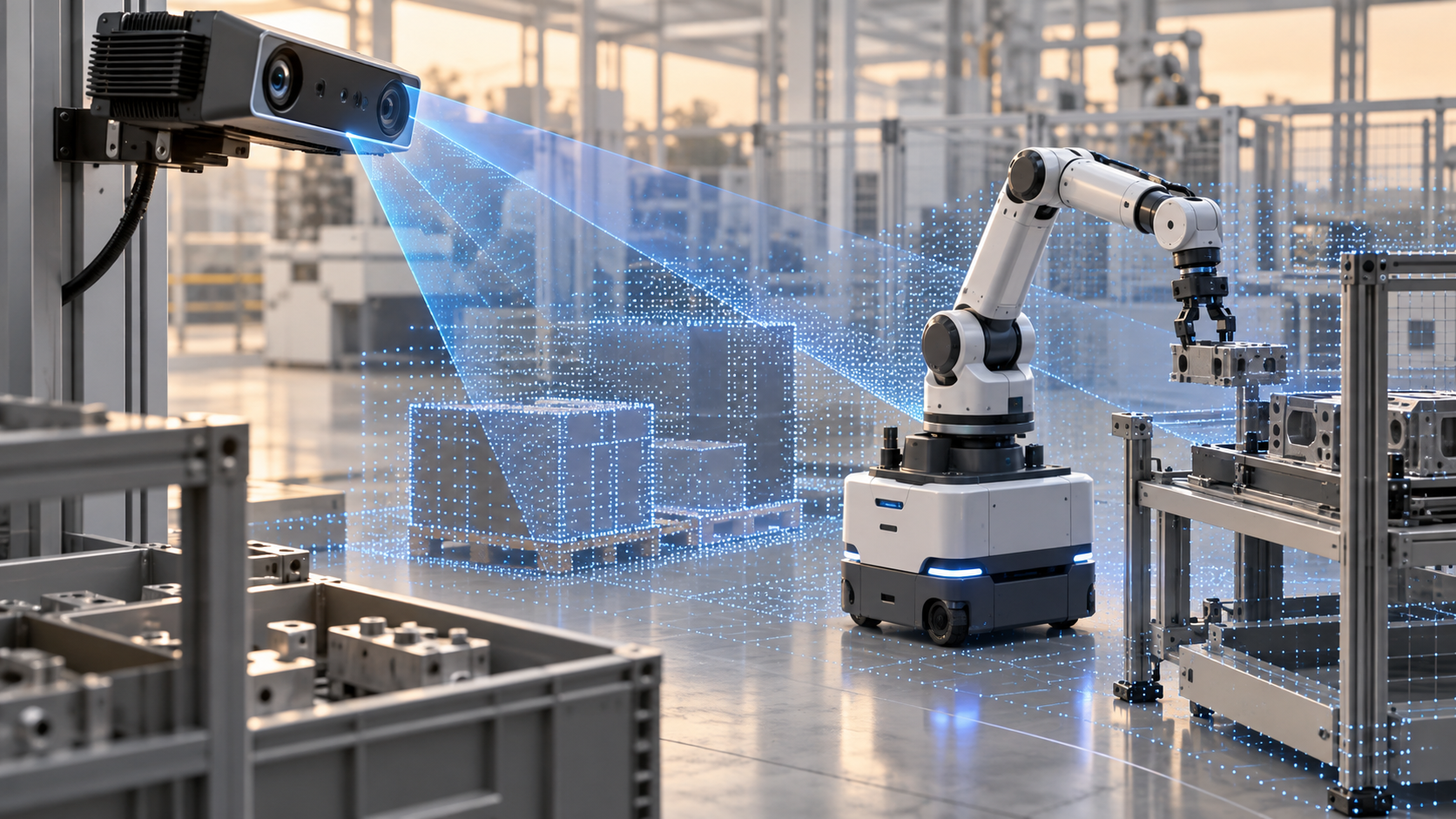
Qualcomm Is Buying PickNik. MoveIt’s Open Future Now Sits Beside a Chip Platform
Qualcomm plans to acquire the company that stewards MoveIt, one of robotics’ most important manipulation frameworks. The buyer promises continued openness while seeking tighter integration with its edge-computing platforms.
 AI-generated image
Company insight
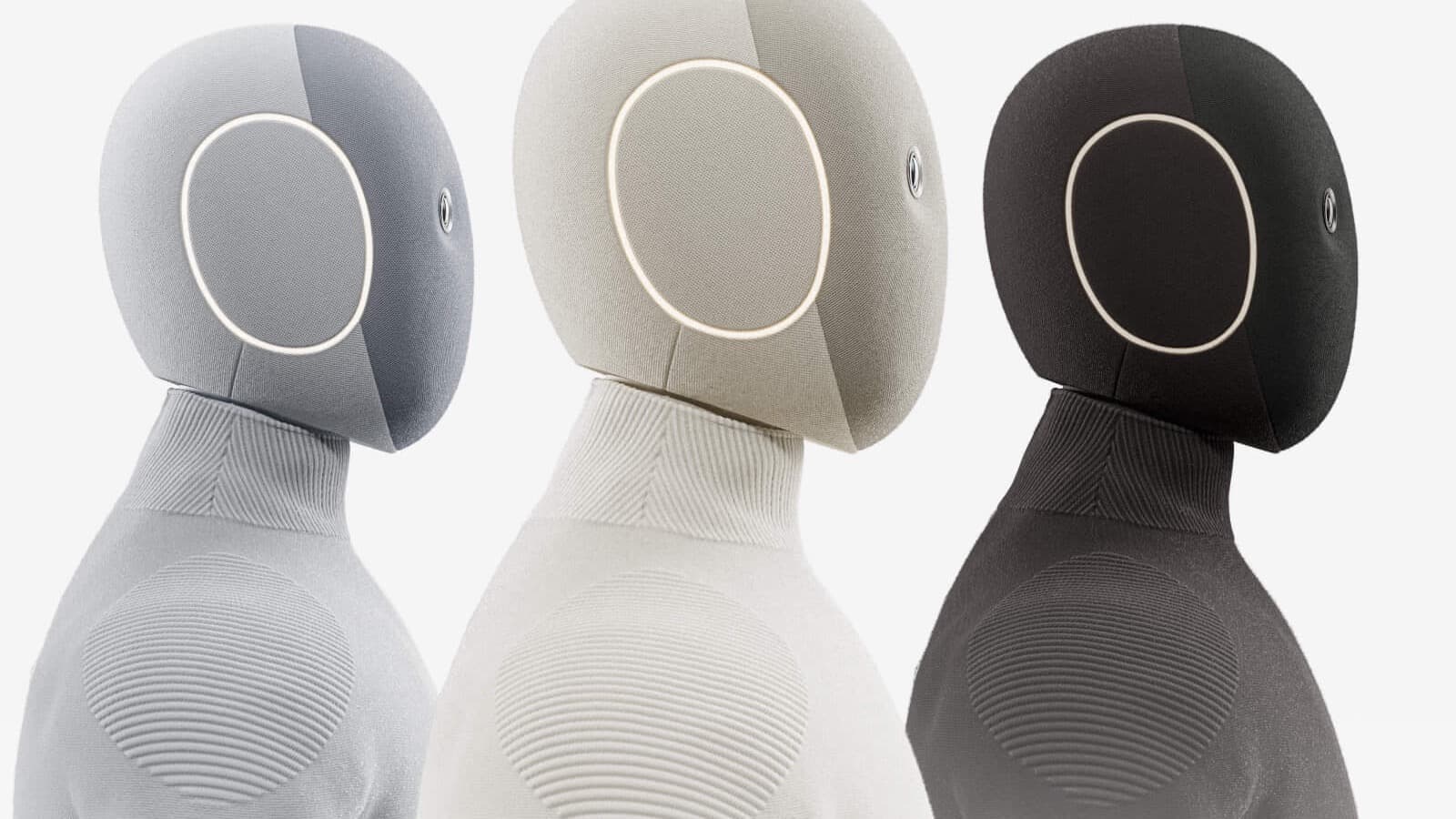
Cognex’s $500 Million RealSense Deal Moves Machine Vision Deeper Into Robot Perception
Cognex is buying RealSense to add embedded 3D perception to its industrial-vision business. The strategic fit is clear, but the transaction has not closed and the growth case rests partly on company forecasts.
 Official source image
Company profile
1X: The Company Trying to Put a Humanoid Robot in the Home
1X has turned the home humanoid from a laboratory promise into a priced preorder, but its early product still depends on supervised operation, future software gains and an unproven delivery ramp.
Explainers
View allAI-generated imageDeep dive
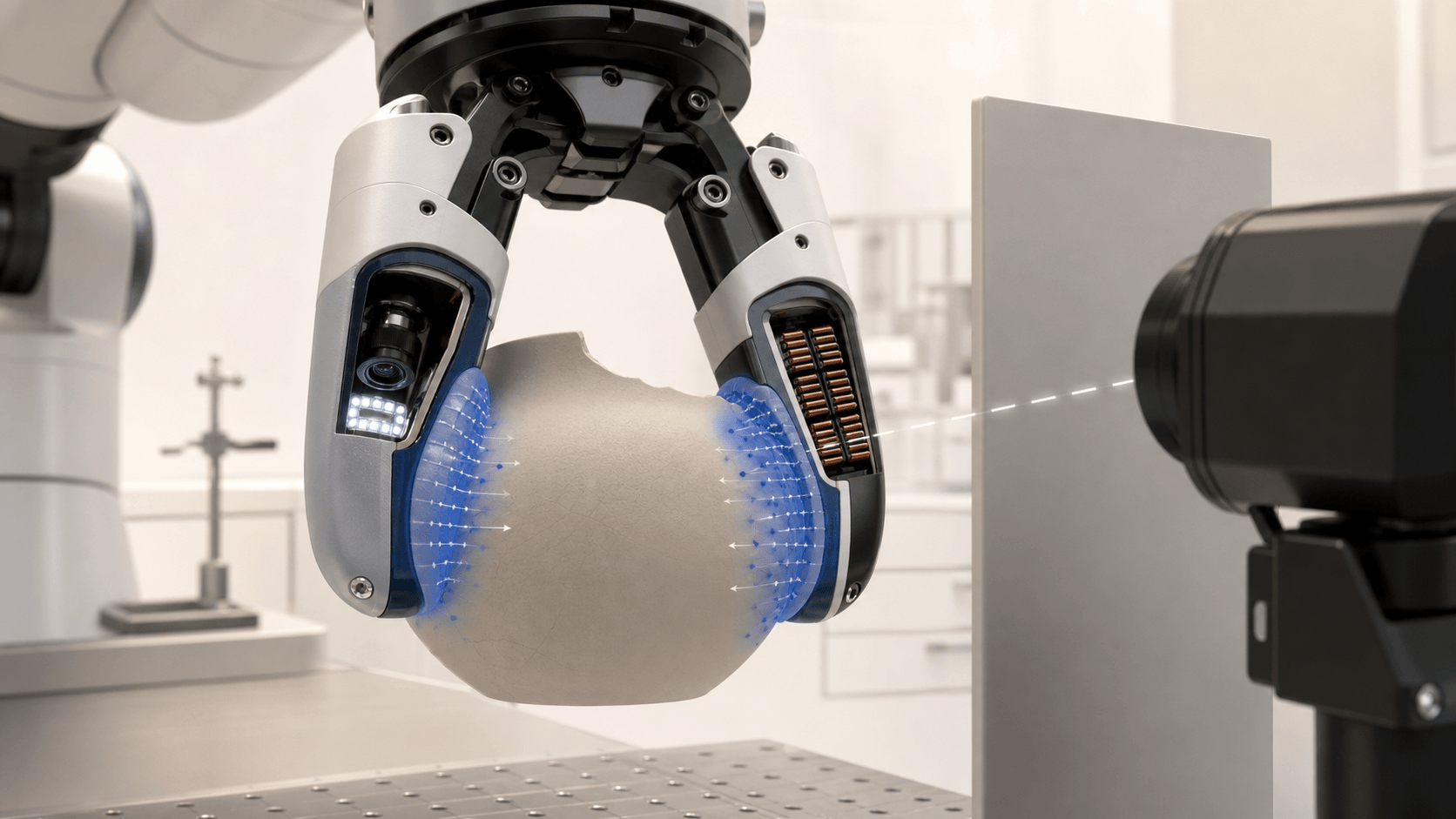
What Does “Cooperatively Safe” Mean for a Humanoid Robot?
A robot can be designed to work near people without being safe in every task. Understanding the difference requires separating product features, safety functions, application risk assessment and operational evidence.
 AI-generated image
Deep dive
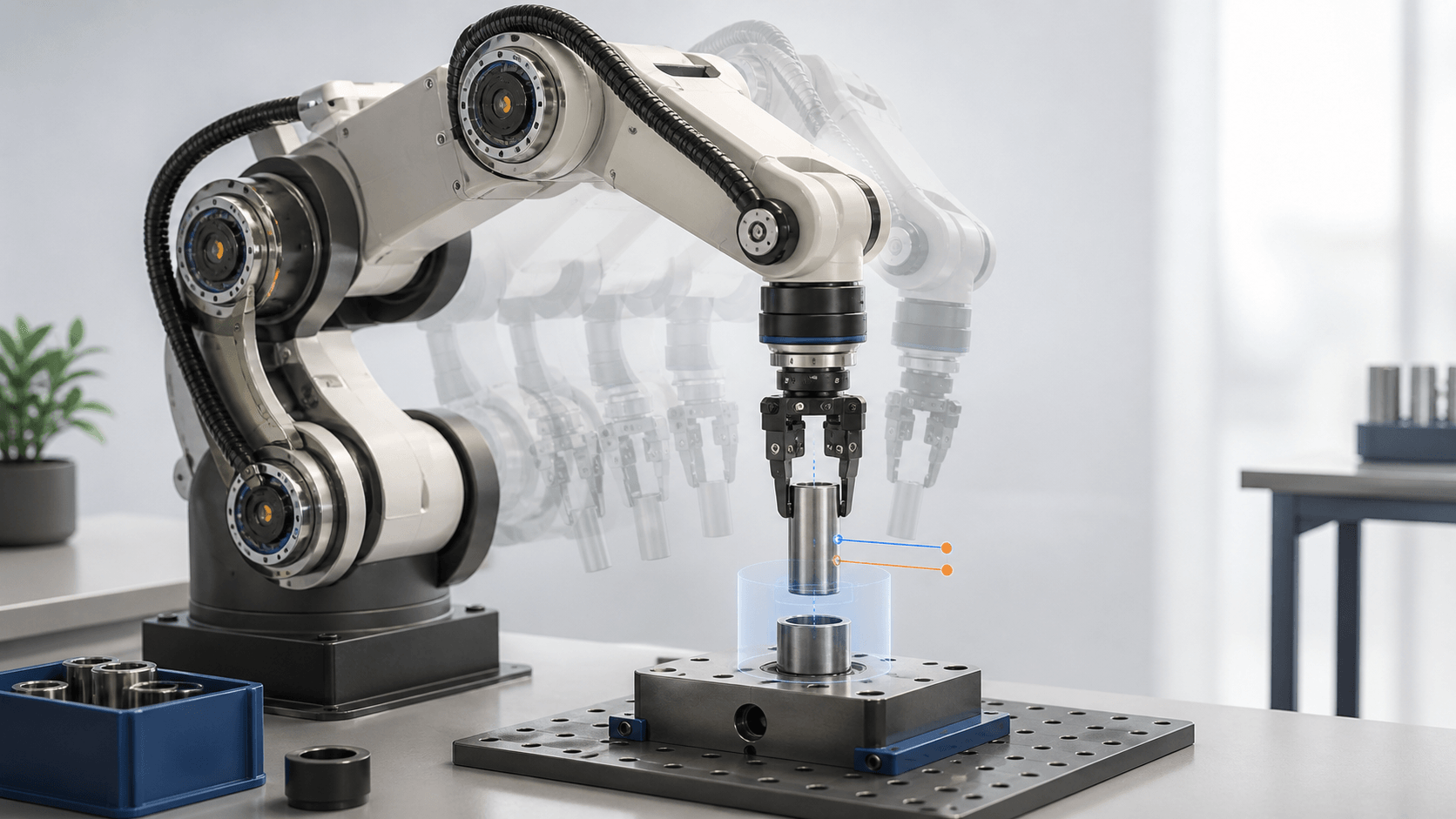
When Vision Is Not Enough: What Touch Adds to Robot Manipulation
Cameras describe a scene before contact. Tactile sensors reveal what happens at the hidden interface where grasp stability, slip, force and material response are decided.
 AI-generated image
Beginner guide
How Feedback Control Turns Robot Commands Into Reliable Motion
Robots do not move accurately by issuing one perfect command. They repeatedly measure what happened, compare it with the goal and correct the difference.